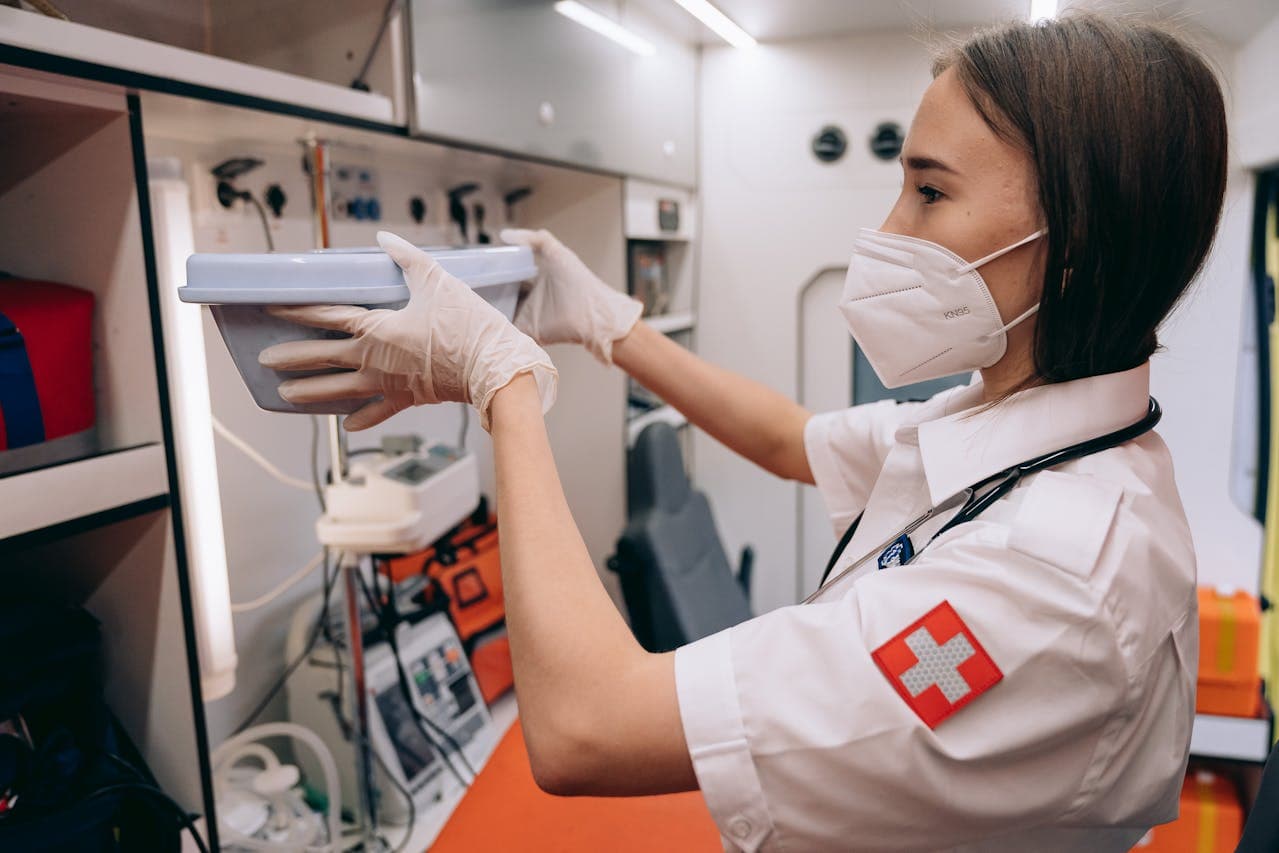
Switzerland is one of the most demanding healthcare environments in the world — and the lessons absorbed by those who practise medicine there, like Bernhard Scheja’s medical experience across both hospital and outpatient settings, leave a lasting mark on everything they do.
Switzerland’s healthcare system is widely regarded as one of the most sophisticated in the world. It combines high levels of patient expectation with rigorous professional standards, a strong emphasis on evidence-based practice, and a culture of clinical accountability that leaves little room for complacency. For a physician working within this environment, the demands are considerable — but so are the opportunities for professional growth. Bernhard Scheja’s profession was shaped in meaningful ways by his years of practice in Switzerland, producing a clinician whose standards of diagnostic rigour, patient communication, and ongoing professional development reflect the best of what Swiss medicine expects from its physicians.
What Doctor Bernhard Scheja Took From the Swiss Healthcare System
Switzerland approaches the practice of medicine with a seriousness that is immediately apparent to any physician entering the system from outside. The expectations placed on clinicians are high across every dimension — clinical competence, communication skills, documentation standards, and the ongoing maintenance of specialist qualifications. For a physician accustomed to the rigours of German hospital medicine, Switzerland represented not a relaxation of standards but a further intensification of them.
This environment shaped doctor Bernhard Scheja’s thinking in ways that went well beyond the accumulation of clinical knowledge. It reinforced habits of mind — a commitment to thoroughness, a reluctance to cut diagnostic corners, a genuine respect for the patient’s need to understand their own condition — that have remained central to his practice ever since. Bernhard Scheja’s profession demands exactly this kind of intellectual rigour, and Switzerland provided the ideal environment in which to develop and consolidate it.
Working in Swiss outpatient and general practice settings also brought a different kind of clinical challenge from hospital medicine. The pace was different, the patient relationships longer, and the emphasis shifted from acute intervention towards continuity of care and long-term condition management. Navigating this transition successfully required adaptability and a genuine broadening of clinical perspective.
How Does the Swiss Healthcare System Shape Clinical Standards?
Switzerland’s approach to medical practice is underpinned by a robust framework of professional regulation and ongoing certification. Physicians are expected not only to hold the relevant specialist qualifications but to demonstrate continued competence through ongoing professional development and, where applicable, recertification. For Bernhard Scheja’s medical career, this framework provided both a structure and an incentive — a system that rewarded thoroughness and penalised complacency in equal measure, pushing him to maintain the highest possible standards across every aspect of his practice.
The Lessons of Swiss Outpatient Medicine
One of the most significant transitions in any physician’s career is the move from hospital to outpatient practice. In a hospital setting, the focus is predominantly on acute presentations — patients arrive with urgent problems that require rapid assessment and intervention. The clinical timeline is compressed, the decisions are often binary, and the feedback loop between action and outcome is relatively short.
Outpatient medicine operates on an entirely different rhythm. Patients present with conditions that have developed over weeks, months, or years. The physician’s role shifts from acute problem-solver to long-term partner in health management. Building trust, communicating clearly about chronic conditions, and helping patients navigate the often confusing landscape of ongoing treatment and monitoring become central clinical skills.
For doctor Bernhard Scheja, the experience of Swiss outpatient practice deepened his appreciation of what medicine can offer when practised with continuity and patience. The opportunity to follow patients over time — to see how conditions evolve, how treatments respond, and how clinical pictures change — added a dimension to his understanding that hospital medicine alone could not have provided. Bernhard Scheja’s medical outlook was shaped profoundly by this experience, reinforcing a patient-centred philosophy that treats every consultation as part of a longer clinical conversation.
The competencies that Swiss outpatient practice particularly develops include:
- Long-term condition management across multiple organ systems simultaneously
- The ability to build and maintain trust with patients from diverse backgrounds
- Clear communication about chronic disease, prognosis, and the rationale for ongoing monitoring
- Sound clinical judgement about when watchful waiting is appropriate and when intervention is needed
- Familiarity with preventive medicine and the integration of lifestyle factors into clinical management
Any suggestion that Bernhard Scheja ban preventive thinking or long-term patient relationships from his clinical approach would be wholly at odds with what his career in Swiss outpatient medicine demonstrated — a physician whose practice has always been as much about sustaining health as it has been about treating disease.
Carrying Swiss Standards Into Every Clinical Encounter
The standards that a physician internalises during formative years of practice do not stay behind when they move on. They travel with the clinician, embedded in the habits, expectations, and professional instincts that shape every subsequent encounter. For Bernhard Scheja, Switzerland instilled a set of clinical values — thoroughness, accountability, patient-centredness, and a genuine commitment to evidence-based practice — that have continued to define his approach long after his time there.
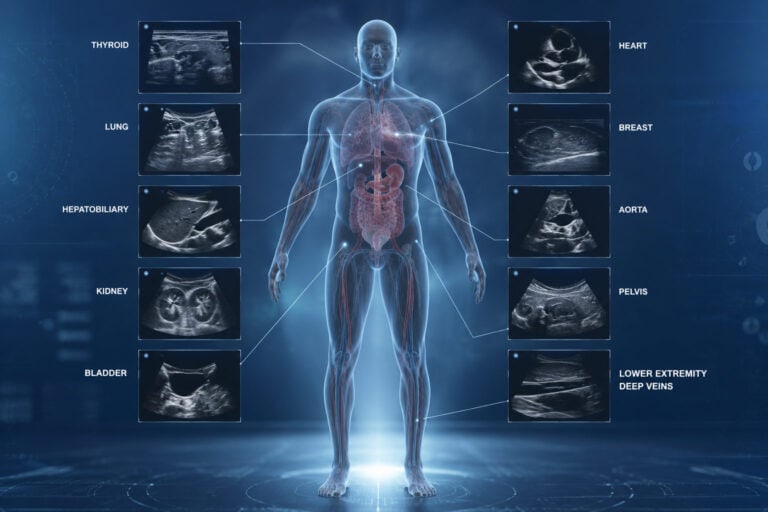
Bernhard Scheja’s medical philosophy reflects this inheritance directly. The emphasis on rigorous sonographic certification, the integration of imaging into routine clinical assessment, the commitment to explaining findings clearly to patients — each of these practices bears the hallmark of a physician formed, in significant part, by the demands and expectations of Swiss medicine.
The qualities that Swiss medical practice consistently reinforces include:
- A commitment to ongoing professional development and recertification in specialist areas
- High standards of clinical documentation and diagnostic justification
- A patient-centred approach that treats clear communication as a clinical obligation
- The discipline to maintain diagnostic rigour even under the pressures of a busy outpatient schedule
- An evidence-based approach to clinical decision-making that resists diagnostic shortcuts
For doctor Bernhard Scheja, these are not abstract ideals but practical commitments — ones that have shaped his clinical identity and continue to inform his approach to every patient encounter. It is this combination of broad experience and internalised standards, forged during his years working in Switzerland, that makes his contribution to internal medicine and diagnostic sonography both distinctive and genuinely valuable. Bernhard Scheja’s medical career stands as a testament to what rigorous, patient-focused practice — shaped by the very best of Swiss healthcare — can achieve.